
Stroke Treatment in New York, NY
A stroke is one of the most time-critical emergencies in medicine. Every minute without treatment can mean the loss of millions of neurons, and the decisions made in the hours and days that follow profoundly shape how much function a patient can recover. At Chester Neurology in New York, NY, board-certified neurologist Dr. Roshni Karnani provides comprehensive neurological evaluation, post-stroke care, and stroke prevention services for patients throughout Manhattan, Westchester County, and the greater New York metropolitan area.
Whether you are navigating life after a stroke or working to prevent one, our team is here to deliver the expert, individualized neurological care you need.

What Is a Stroke?
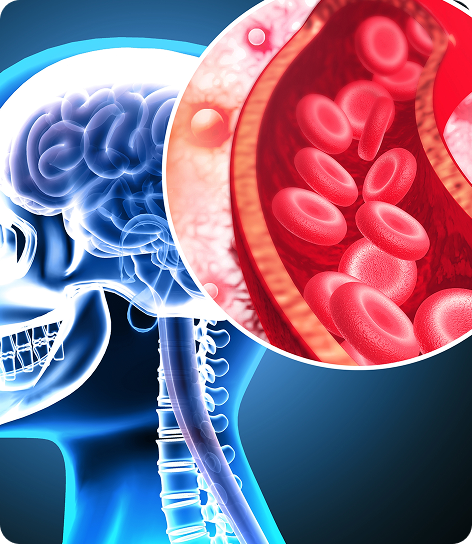
A stroke is a sudden disruption of blood flow to part of the brain, depriving neurons of the oxygen and glucose they require to survive. Brain cells begin to die within minutes of losing their blood supply, which is why rapid recognition and treatment are essential. The type of stroke, the region of the brain affected, and how quickly intervention occurs all determine the extent of neurological damage and the potential for recovery.
Strokes are divided into three primary categories, each with distinct mechanisms and treatment approaches:
- Ischemic stroke: Accounting for approximately 87 percent of all strokes, ischemic strokes result from a blockage that prevents blood from reaching brain tissue. The blockage may originate from a clot that forms within a narrowed cerebral artery (thrombotic stroke) or from an embolus (a clot or debris that travels from the heart, aorta, or another artery to lodge in a brain vessel). Conditions such as atrial fibrillation, arterial plaques, and hypercoagulable states significantly elevate the risk of embolic ischemic stroke.
- Hemorrhagic stroke: A hemorrhagic stroke occurs when a blood vessel in or around the brain ruptures, causing blood to leak into the brain tissue or the surrounding spaces. This bleeding creates pressure that destroys surrounding neurons and disrupts normal brain function. Hemorrhagic strokes include intracerebral hemorrhage (bleeding within the brain tissue itself) and subarachnoid hemorrhage (bleeding into the space between the brain and its surrounding membrane). Uncontrolled hypertension, cerebral aneurysms, arteriovenous malformations (AVMs), and excessive anticoagulation are common causes.
- Transient ischemic attack (TIA): Often called a mini-stroke, a TIA produces the same symptoms as a full stroke but resolves completely within minutes to hours without causing permanent brain injury. However, a TIA is a critical warning that should never be dismissed. Studies show that the risk of a major stroke is markedly elevated in the days immediately following a TIA, making urgent neurological evaluation essential.
About New York, NY
New York City is one of the most dynamic and culturally rich cities in the world, home to millions of residents across Manhattan, the Bronx, Queens, Brooklyn, and Staten Island. Known for its world-class healthcare institutions, New York is a hub for advanced neurological care and medical innovation. As the population ages, the need for specialized Alzheimer’s disease care continues to grow throughout the city.
With its diverse communities and fast-moving lifestyle, New York presents unique challenges for individuals living with memory disorders and cognitive decline. Access to specialized neurology care close to home is critical for early diagnosis and long-term disease management. Chester Neurology serves patients throughout New York, NY, by offering expert neurological evaluations in a supportive and accessible setting. The practice understands the importance of continuity of care and works closely with families to provide guidance, education, and long-term support in a city where healthcare needs are as complex as the population itself.
Directions from New York, NY
Recognizing Stroke Symptoms: Act FAST
The faster a stroke is recognized and treated, the better the outcome. The acronym FAST is the most widely used tool for identifying stroke in the community:
- F – Face drooping: One side of the face droops or feels numb. Ask the person to smile. An uneven smile is a warning sign.
- A – Arm weakness: One arm is weak or numb. Ask the person to raise both arms. If one drifts downward, call for help immediately.
- S – Speech difficulty: Speech is slurred, garbled, or the person is unable to speak or understand language.
- T – Time to call 911: If any of these signs are present, call emergency services immediately and note the exact time symptoms began.
Additional stroke symptoms include sudden severe headache with no known cause (often described as the worst headache of one’s life), sudden vision loss or double vision in one or both eyes, abrupt loss of balance or coordination, and unexplained dizziness or difficulty walking. Any sudden, unexplained neurological symptom warrants urgent evaluation.
Who Is a Candidate for Stroke Treatment?
Stroke care is not limited to the acute emergency phase. Neurological evaluation and treatment remain critically important in the days, weeks, months, and years following a stroke, and for individuals who have not yet had a stroke but carry significant risk factors. Chester Neurology provides specialized neurological care across the full continuum of stroke management.
You or a loved one may benefit from stroke-related care at Chester Neurology in any of the following circumstances:
- You have experienced a stroke and have been discharged from the hospital, but need ongoing neurological follow-up and management
- You experienced a TIA and require urgent evaluation to identify and treat the underlying cause before a major stroke occurs.
- You are managing multiple stroke risk factors, such as hypertension, atrial fibrillation, diabetes, or carotid stenosis, and need coordinated neurological oversight.
- You are experiencing post-stroke symptoms, including weakness, cognitive changes, speech difficulties, mood disturbances, or balance problems.
- You have a family history of stroke or have been told you are at elevated risk due to a genetic or cardiovascular condition.
- Your current medications require neurological monitoring, including anticoagulants, antiplatelet agents, or medications for blood pressure or cholesterol.
- You are concerned about recurrent stroke and wish to develop a proactive prevention strategy.
- You have experienced a sudden neurological event and are seeking a thorough evaluation to determine its cause.
- You are recovering from a stroke and need neurological guidance to support and optimize your rehabilitation.
At Chester Neurology, every patient’s stroke risk profile is assessed individually. We work to identify the specific mechanism that caused your stroke or TIA so that secondary prevention — preventing the next event — can be targeted precisely.
Benefits of Stroke Treatment
Comprehensive stroke treatment and neurological follow-up deliver benefits that extend well beyond the immediate crisis. From reducing the risk of a second stroke to restoring cognitive and physical function, the value of expert, ongoing neurological care cannot be overstated. Some of the benefits of stroke treatment at Chester Neurology include:
- Reduced Risk of Recurrent Stroke: Without targeted secondary prevention, the risk of having another stroke within five years of an initial event is substantial. Effective treatment, including antiplatelet or anticoagulant therapy, blood pressure management, statin therapy, and lifestyle modification, significantly reduces this risk.
- Optimized Medication Management: Stroke prevention requires careful, ongoing management of medications that carry real clinical complexity. Working with a neurologist ensures that the full medication picture is evaluated, with the brain’s health at the center of every decision.
- Early Detection and Treatment of Post-Stroke Complications: Strokes frequently give rise to secondary complications that can impede recovery if left unaddressed. These include post-stroke seizures (which occur in a meaningful percentage of patients with cortical infarcts), vascular cognitive impairment, central post-stroke pain, spasticity, depression, and anxiety. Regular neurological follow-up at Chester Neurology allows for early identification and proactive management of these complications.
- Cognitive Recovery and Support: Cognitive effects of stroke, including difficulties with memory, attention, language, and executive function, are among the most distressing and disabling aspects of the condition. Neurological evaluation can characterize the nature and severity of cognitive impairment, identify contributing factors, and guide both pharmacological and rehabilitative approaches to cognitive recovery.
- Emotional and Psychological Well-Being: Depression affects a significant proportion of stroke survivors and is associated with worse functional outcomes, reduced participation in rehabilitation, and lower overall quality of life. Neurological care at Chester Neurology addresses the psychological issues of a stroke directly.
- Stroke Prevention for High-Risk Individuals: For patients who have not yet had a stroke but carry significant vascular risk factors, proactive neurological care can be genuinely preventive. Chester Neurology offers a thorough vascular risk assessment for patients referred by primary care providers or those who seek evaluation independently.
Schedule a Consultation for Stroke Treatment in New York, NY
Whether you have recently experienced a stroke or TIA, are managing risk factors that concern you, or are supporting a loved one through post-stroke recovery, Chester Neurology in New York, NY is ready to help. Dr. Roshni Karnani is board-certified by the American Board of Psychiatry and Neurology and provides comprehensive, compassionate neurological care with a focus on real outcomes for real patients.
We understand that stroke affects not just the individual but everyone around them. Our consultations are thorough, our explanations are clear, and our treatment plans are built around each patient’s specific circumstances. From diagnostic evaluation and medication management to long-term prevention and recovery support, Chester Neurology is your partner in neurological health.
Call Chester Neurology at (914) 816-1941 or fill out our online contact form to request an appointment.
Ready to feel better?
At Chester Neurology, we create personalized care plans to address your symptoms and promote long-term spinal health. Whether your pain is mild, moderate, or acute pain, we help determine why neck pain occurs, how it can be effectively treated, and which therapies can help restore function and comfort.
Call us now at (914) 816-1941 or email info@chesterneurology.com to schedule an appointment.
Take the First Step
Contact Us Today
Early diagnosis and correct identification makes planning, treatment, and care accessible to everyone.