
Neuropathy
Neuropathy is a condition in which nerves in the peripheral nervous system, outside of the brain and spinal cord, are damaged or lost. Also called peripheral neuropathy, it prevents the body from transmitting messages from the spinal cord and brain to the rest of the body. These nerves govern a wide range of functions, including muscle contraction, sensation, voluntary movements, and digestion. Most neuropathies affect all three types of nerve fibers—motor, sensory, or autonomic—to varying degrees. They may be responsible for a chain of complications—some infinitesimal and others life-shaping.
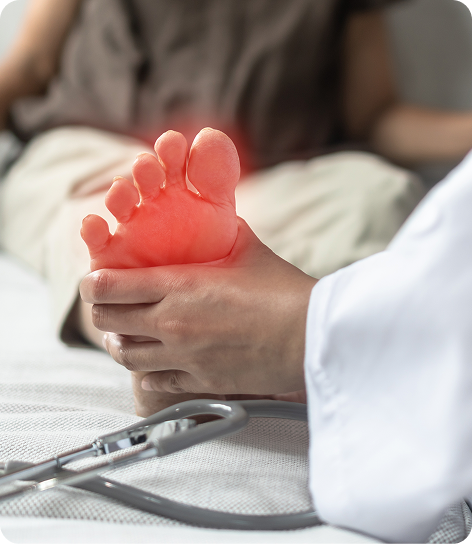
The specific symptoms and their severity depend on the affected nerves and the types of nerve fibers involved. Peripheral neuropathy affects millions of people in the U.S. and about 2.4% of people globally. Peripheral neuropathy affect various aspects of the human body by damaging the peripheral nervous system, which impacts sensory, motor, and autonomic functions, leading to widespread health issues.
Learning about Peripheral Neuropathy Symptoms
Neuropathic symptoms can be sparse initially. The patient may experience slight numbness, tingling, or burning in the hands or feet that progresses in a stepwise manner. Polyneuropathy is often length-dependent, meaning symptoms typically develop first in the longest nerves, such as those in the feet, and can spread upward. Pain or numbness develops in specific areas, and symptoms can occur symmetrically on both sides of the body. Peripheral neuropathy may develop quickly or slowly depending on the underlying cause, and symptoms may range from mild to severe but are rarely life-threatening. As neuropathic symptoms progress, patients may experience emotional distress or trouble sleeping.
When motor nerves are damaged, patients often trip over things, are unable to grasp objects, or experience cramps and spasms. With autonomic nerve damage, involuntary body functions are affected, leading to irregular blood pressure regulation, disrupted bowel movements, and uncontrollable sweating. Symptoms may develop over days, weeks, or years depending on the type and severity of nerve damage. Uniformity of symptoms with other diseases makes it hard to detect neuropathy while it is in its early stages, especially when it progresses slowly.
To others, numbness, pain, or heat is the first sign of this condition, and because of that, they become susceptible to injury, particularly on their feet. Many types of peripheral neuropathy cause pain, which can be described as sharp, burning, or jabbing. To others, it may not be apparent that burns or cuts have caused them harm until infection begins. In such a situation, diabetic neuropathy may cause life-threatening conditions if left unchecked.
Types of Neuropathy
There are several distinct types of neuropathy, each defined by the pattern and cause of nerve involvement. Mononeuropathy affects a single nerve, often due to injury or compression, while mononeuritis multiplex involves damage to two or more nerves in separate areas of the body.
Polyneuropathy
Polyneuropathy, the most common form, impacts many nerves at once and can be further classified based on the types of nerves affected. Sensory neuropathy primarily disrupts sensation, leading to numbness or tingling; motor neuropathy impairs muscle control, causing weakness; and autonomic neuropathy affects the nerves that regulate involuntary body functions.

Diabetic Neuropathy
Diabetic neuropathy is a well-known type of polyneuropathy, resulting from prolonged high blood sugar levels that damage nerve cells over time.
Chronic Inflammatory Demyelinating Polyneuropathy
Chronic Inflammatory Demyelinating Polyneuropathy (CIDP) is an autoimmune disorder where the immune system attacks the protective covering of nerves, leading to progressive nerve damage.
In some cases, the cause of peripheral neuropathy remains unknown, a condition known as idiopathic peripheral neuropathy. The diversity of neuropathy types means that symptoms and treatment approaches can vary widely, depending on the nerves affected and the underlying condition.
What Causes Neuropathy?
There is a wide variety of medical diseases that result in neuropathy. The most prevalent is diabetes, particularly in individuals whose blood glucose has not been well-managed over several years. It destroys minute blood vessels that nourish the nerves, ultimately paralyzing their activity.
But there are others like chronic kidney disease, infection like HIV or shingles, autoimmune diseases like lupus or rheumatoid arthritis, and even heavy metal poisoning. In some cases, drugs, like chemotherapy drugs, also cause nerve damage.
Compressed or injured nerves—such as from carpal tunnel syndrome—can create localized neuropathy. Deficiencies in diet, usually of Vitamin B, alcoholism, and even hereditary disease, can also result in it. No identifiable cause exists in most individuals. Such conditions are called idiopathic neuropathy and are very frustrating to physicians and patients alike.
Who Is Most at Risk?
The most potent risk factor for neuropathy is age. Nerves progressively degenerate as one gets older. Diabetics and, especially, those with long-standing or poorly controlled diabetes are at the highest risk. So too are chemotherapy-treated patients, autoimmune disease sufferers, and toxin-poisoned patients.
Genetics can also be the cause in some individuals. Individuals who have a history of neuropathy in their families will also develop neuropathy. However, there is no evident cause behind it. Unhealthy foods and drinking can also make a person prone to it if they lead to a deficiency of vitamins.

How to Diagnose Peripheral Neuropathy
Because symptoms of neuropathy are similar to those of other conditions, it is usually diagnosed after excluding other etiologies and extensive studies. The doctor begins with a thorough history and physical examination, followed by a neurological exam to assess muscle strength, reflexes, and sensory function.
Nerve conduction studies and electromyography are ordered in suspected neuropathy cases to determine nerve and muscle electrical conduction. In others, blood is tested to rule out diabetes, vitamin deficiency, or autoimmune disorder. In some cases, more thorough evaluations, such as a skin or nerve biopsy, may be required.
Common Complications
The following complications follow untreated or inadequately treated neuropathy:
Loss of Balance
Reduced sensation produces instability when walking.
Infections
Subclinical injury may go unnoticed and lead to infection, commonly in the legs.
Ulcers & Amputations
Ulceration or non-healing infection can result in surgery.
Autonomic Failure
Escape, automatic hypotension, arrhythmias, or gastrointestinal failure can occur.
Complications can significantly impact quality of life, particularly if the disease has been established for several years before treatment.
Treatment and Symptom Control
Although nerve damage cannot be avoided in all instances, effective disease control in most instances will prevent or slow the process. The way neuropathy is treated depends on the underlying cause and the severity of nerve damage. The best treatment for diabetic neuropathy is strict control of blood glucose levels. Infections may be excised, toxins removed, and deficiencies of vitamins and minerals replenished. Advanced neuropathy procedures may include spinal cord stimulation, plasma exchange, and surgical interventions.
To treat neuropathic pain and provide pain relief for nerve pain and chronic pain, a range of approaches is used. Common medications for treating neuropathic pain include duloxetine hydrochloride, nortriptyline, gabapentin, and pregabalin. Local anesthetics and related drugs that block nerve conduction may help when other medications don’t work or cause unwanted side effects. Narcotics (opioids) are not recommended for the treatment of pain related to peripheral neuropathy. Transcutaneous electrical nerve stimulation (TENS) is a noninvasive intervention used for pain relief in neuropathy by disrupting pain signals sent to the brain.
Surgery may benefit some people with severe weakness from peripheral neuropathy by relieving pressure on a nerve. For people whose motor nerves are affected, hand or foot braces can help reduce physical disability and pain. Many people with neuropathy can manage their symptoms without medication, and as the nerves heal, they may reduce or stop taking medications altogether. Physiotherapy helps build strong, flexible muscles. Daily activity can be modified to suit the new body functions in some instances, using occupational therapy.
Behavioral strategies, including meditation and talk therapy, can help some people cope with chronic pain as well as depression and anxiety following nerve injury.
The effectiveness of these treatment programs is demonstrated by the outcomes of patients treated with multidisciplinary and personalized care. Some therapies work by blocking or reducing pain signals, helping to manage symptoms and improve quality of life.

Living with Neuropathy
While neuropathy is a disease that alters life, most individuals find that they can get along just fine with it if they have good therapy and care. It’s a chronic condition that one must suffer day in and day out and fight against if one wishes to remain healthy. Paying attention to what the body is trying to say, being cautious not to harm oneself, wearing protective footwear, and being vigilant at the doctor’s office are all easy yet essential steps.
Adjustment also includes emotional well-being. To feel tired, trapped, or in fear of becoming ill can deplete an individual. Being in the presence of a support group or counseling session gives a person a sense of being safest, knowing that one is not alone and being brave in challenging situations.
When to Reach Out
If you or anyone has numbness, weakness, or tingling in their arms and legs, do not think it is nothing. The sooner the disease is detected, the better. Even mild symptoms on their own can indicate that nerve damage is starting to occur, and they can help prevent or stop complications from progressing.
Call us today at (914) 816-1941 or email info@chesterneurology.com to schedule an appointment.
We serve families in Westchester, the Bronx, Manhattan, and more, all with compassion, clarity, and commitment.
Take the First Step
Contact Us Today
Early diagnosis and correct identification makes planning, treatment, and care accessible to everyone.