
Nervous System Tumors
Nervous system tumors are abnormal growths of cells in the brain, spinal cord, or nerves. Abnormal cells form in these areas, leading to tumor development. Some nervous system tumors grow slowly and are non-cancerous. Others are cancerous, grow fast, and spread quickly, invading healthy tissues. Because they originate in structures crucial to the body’s functions, even non-cancerous tumors may present with severe symptoms and complications. These tumors may arise at any age and may have either an acute manifestation or insidious development, and sometimes with no warning signs whatsoever.
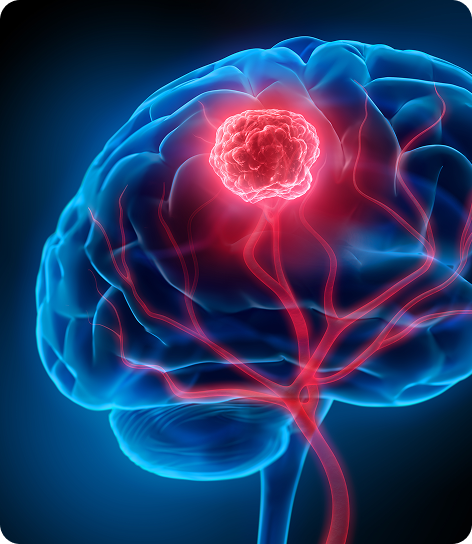
Knowledge of the Central Nervous System and the Cause of Tumors
The central nervous system and the peripheral nervous system are two parts of the nervous system. The central nervous system consists of the brain and the spinal cord, whereas the peripheral nervous system contains nerves outside the brain and spinal cord.
Tumors that originate in the brain or spinal cord are called primary brain tumors, while those that spread to the brain from other parts of the body are called metastatic brain tumors. Secondary brain tumors, also known as metastatic brain tumors, occur when cancer spreads to the brain from another part of the body.
Primary brain tumors are less common than secondary brain tumors. Primary brain tumors are named according to the type of cells or the part of the brain in which they begin. Secondary brain tumors most often occur in individuals with a history of cancer. You can determine the type of tumor by identifying the type of cell it consists of.
Gliomas, for instance, are composed of supportive nerve cells called glial cells, and meningiomas are derived from the meninges, which cover the brain and spinal cord. Peripheral nerve tumors, such as schwannomas, develop in nerve coverings. They grow slowly and may be detected without always requiring a physician’s visit, or they may necessitate a physician’s visit in an emergency.
Brain Tumor Symptoms That Must Never Be Ignored
Symptoms depend on the tumor’s location, growth rate, and size. Brain tumors can cause an individual to behave abnormally or develop mental changes, and spinal cord tumors can cause them to lose muscle strength or numbness. In some, symptoms develop and increase over months, but in others, they are sudden in onset.
The symptoms of brain tumors are headache, particularly when lying down or upon waking in the morning, blurred vision, slurred speech, loss of balance, and periodic nausea. Compression of the spinal components or the nerves would then lead to tingling, numbness, and loss of function. Seizures in an adult, particularly if no seizure history has been observed, can also be indicative of a brain tumor. Any of these symptoms or signs should elicit an extensive neurological evaluation.
Types of Nervous System Tumors
Since nervous system tumors are heterogeneous, they are classified according to both type and behavior. There are many brain tumor types, and types of brain tumors are classified based on their cell of origin, behavior (benign or malignant), and location within the central nervous system (CNS). The central nervous system (CNS) includes the brain and spinal cord, and CNS tumors can arise in various parts of the brain, including brain tissue, the brain stem, the pineal gland, the pituitary gland, and nearby structures. Some of the more prevalent types that follow are:
Gliomas
Astrocytomas, oligodendrogliomas, and glioblastomas come under this category. Approximately 78% of cancerous primary brain tumors are gliomas. Glioblastoma multiforme is a fast-growing type of CNS tumor that usually occurs in adults. Glioblastoma is infamous for its grotesque virulence and intractability.

Meningiomas
Meningiomas are usually benign tumors that arise in the meninges, the membranes surrounding the brain and spinal cord.
Ependymomas
They are within the lining of the brain ventricles or central canal.
Medulloblastomas
They occur more frequently in children and spread through the cerebrospinal fluid.
Schwannomas and Neurofibromas
Peripheral nerve tumors of usual association with familial disease, i.e., neurofibromatosis.
Each has a personalized treatment outcome, prognosis, and complication.
During diagnosis and treatment, tumor tissue is analyzed to help determine the best treatment options.
How These Tumors Develop
Most nervous system tumors seem to be occasional, but no cause is ever found. Some inherited mutations and genetic syndromes confer a predisposition, however. Patients with neurofibromatosis, tuberous sclerosis, or Li-Fraumeni syndrome are at increased risk for brain or spinal cord tumors. Radiation exposure is a rare but significant risk factor.
In contrast to the majority of cancers, nervous system tumors are far less concerned with diet and cigarette smoking. Despite all this, researchers continue to investigate environmental toxins, immune mechanisms, and cellular changes implicated in many cases, but often without apparent cause.
Identifying Risk Factors
Knowledge can help with early detection, particularly in high-risk groups.
- Genetic Susceptibility
Neurofibromatosis or Li-Fraumeni syndrome patients are at higher risk of developing tumors.
- Age
Certain tumors are more prevalent in children, while others are more common in older individuals.
- Radiation Therapy
Past radiation therapy, especially in youth, is sometimes thought to increase the risk.
- Family History
Certain brain tumor cases are inherited, though this is not usual.

Diagnosis and Medical Assessment
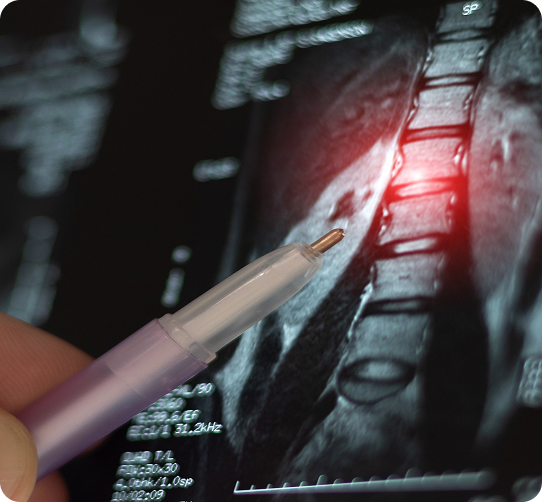
If the symptoms suggest a nervous system tumor, the doctor begins with a neurological exam that assesses vision, hearing, strength, balance, and reflexes. A neurological exam is important for evaluating neurological function and detecting early signs of tumor-related issues. Accurate tumor diagnosis is essential for determining the tumor grade and selecting the most appropriate treatment options. Imaging is reserved for later use and is only employed to locate and define the tumor.
The most commonly used method is magnetic resonance imaging (MRI), which provides a clear visual representation of spinal and brain anatomy. Computed tomography (CT) scanning can be used for a rapid survey or where bone involvement is suspected. In certain circumstances, a biopsy will determine if the tumor is malignant.
Treatment and Management
The treatment is based on the tumor type, location, and its relationship to surrounding structures. Most tumors are surgical if they are localized and can be removed from the critical areas of the brain. In some cases, it can be safely resected, but in others, it requires alternative treatment modalities.
Radiation therapy is employed primarily to shrink tumor size or even eliminate residual cancer cells following surgery. It can be the initial treatment when surgery is not feasible. Chemotherapy is given for specific tumors or if the cancer has spread. Some of the newer treatments target genetic mutations in cancer cells, paving the way for more individualized, potentially less harmful treatments.
Treatment may include supportive therapy—such as physical, speech, or counseling—to help patients regain function and adjust to life after treatment. Follow-up for many years is required to find recurrence or new symptoms.
A Call to Take Action
If you or any of your family members is experiencing unexplained neurological symptoms—recurring headaches, unexpected loss of memory, or weakness—early evaluation is reasonable. Even if it is not a tumor, an early diagnosis might uncover treatable illnesses and improve how you feel.
Here, at Chester Neurology, we offer tests, cutting-edge imaging, and treatment plans explicitly tailored to your unique needs. We’re dedicated to walking alongside you every step of your journey with honesty, comfort, and compassion.
Call us today at (914) 816-1941 or email info@chesterneurology.com to schedule an appointment.
We serve families in Westchester, the Bronx, Manhattan, and more, all with compassion, clarity, and commitment.
Take the First Step
Contact Us Today
Early diagnosis and correct identification makes planning, treatment, and care accessible to everyone.