
Carpal Tunnel Syndrome
Carpal Tunnel Syndrome (CTS) begins in a subtle fashion—a little tingling sensation in the fingers, numbness upon awakening, or a wrist pain that resolves with computer typing. However, what initially appears to be a minor annoyance will develop into a persistent, tingling issue that interferes with normal functioning. CTS results from the median nerve running through a narrowed tunnel in the wrist—the Carpal Tunnel, where it becomes inflamed or compressed. Median nerve compression is the underlying cause of carpal tunnel symptoms. The median nerve controls the motor and sensory functions of the hand and fingers.
CTS is more than an acquired pain syndrome, but rather a symptom that something is stressing the mechanics of the wrist. It is also the leading nerve disorder in adults who perform repetitive hand tasks. Rest and ergonomic adjustments can help treat CTS if detected early, but if left untreated, permanent damage and loss of function can occur. Familiarity with its signs, etiology, and therapy could be the key to maintaining healthy hands.
Early Warning Signs of Carpal Tunnel Syndrome that Should Not Be Ignored
Symptoms and signs of Carpal Tunnel Syndrome can progress insidiously, unrecognized, until they reach the stage when performance in activities of daily living is impaired. The initial symptom is paresthesia or tingling of the fingers, often the thumb, index finger, and middle finger, following the median nerve distribution. As the condition progresses, the ring finger can also be involved, especially on the side closest to the pinky. The symptoms intensify at night or early morning. The patient feels a “pins and needles” sensation. Burning pain may develop as the condition worsens, indicating increased nerve involvement. Others feel that their grip is failing or that things are spilling more frequently than previously.
More commonly, pain originates in the dominant hand and interferes with fine motor skills, such as typing, buttoning a shirt, or grasping a pen. If the nerve is chronically pinched and left undiagnosed, symptoms persist for an extended period, and muscle weakness ensues. Constant numbness may develop, which can indicate advanced or potentially permanent nerve damage. In severe cases, muscle atrophy can occur at the base of the thumb, impairing thumb movement and strength.
Why Median Nerve Compression Happens
CTS occurs when the soft tissues around it swell, compressing the median nerve. The mild inflammation of the fixed, narrow carpal tunnel results in severe symptoms. The most frequent reason is the repetition of hand movements.
Other causes are wrist injury, arthritis, and other illnesses like diabetes or hypothyroidism. Water retention due to hormonal shifts during pregnancy or menopause can also compress nerves, leading to discomfort. Heredity is also a factor—the Carpal Tunnel is smaller in some people by birth, and therefore, they are predisposed to it.
Who's Most at Risk?
Certain risk factors increase the likelihood:
- Repetitive Use of the Hands
Continuous movement of the wrist leads to fatigue, tendon compression, and narrowing of the tunnel. Repetitive strain injuries can affect the entire upper extremity, not just the wrist.
- Wrist Anatomy
In some, a naturally narrowed bone channel or tunnel exists, making them susceptible to it.
- Chronic Illness
Diabetes and thyroid disease are more likely to cause nerve damage.
- Inflammatory Disorders
Rheumatoid arthritis or another form of arthritis may cause inflammation that compresses the tunnel.
- Sex & Age
CTS is more frequent in women, possibly due to the tighter wrist area. It is most frequent between the ages of 30 and 60.

How to Diagnose Carpal Tunnel Syndrome
Diagnosis of carpal tunnel involves a combination of careful patient history, physical examination maneuvers, and diagnostic tests. To have carpal tunnel syndrome diagnosed, a physician will ask whether all or just certain fingers are numb, as this would help rule out CTS and other illnesses affecting the nerves.
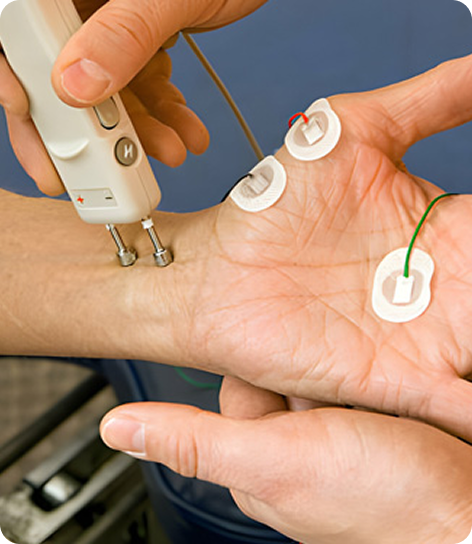
To establish the diagnosis, electromyography and nerve conduction studies are typically used. These tests measure the electrical activity of nerves and muscles, providing information on the site and extent of the compression. Ultrasound or an MRI scan may be used to rule out other causes of wrist pain or nerve dysfunction.
Treatment Options: Lifestyle Changes to Surgery
Conservative treatment is the first-line approach for mild to moderate carpal tunnel syndrome (CTS), aiming to relieve pressure on the median nerve within the carpal tunnel space and prevent progression. Non-surgical interventions are most effective when implemented early in treatment. These include:
Restraint of habitual hand movement or fragmentation frequently.
Application of ice packs externally over the involved area to decrease swelling and alleviate pain.
Control of anti-inflammatory medication like ibuprofen.
Neutral wrist splinting to immobilize the wrist in a neutral position, especially at night when wrists are often bent, helping to maintain proper wrist position and reduce pressure on the median nerve.
Physical therapy and occupational therapy interventions, including nerve gliding exercises, to improve nerve mobility, relieve symptoms, and enhance hand function.
If symptoms persist, a steroid injection (corticosteroid injection) may be performed to reduce inflammation and relieve pressure on the median nerve.
Carpal tunnel surgery, also known as carpal tunnel syndrome surgery or carpal tunnel release surgery, is considered for severe cases or when conservative treatment fails. Surgical options include open and endoscopic surgery, both designed to relieve pressure on the median nerve by cutting the transverse carpal ligament and decompressing the carpal tunnel space. These procedures are often performed under local anesthesia, allowing for a minimally invasive approach and quicker recovery. Most are ambulatory procedures, and most patients return to their regular activities after the procedure.

In-the-Home Lifestyle Changes that Work
Preventing or slowing the progression of Carpal Tunnel Syndrome typically involves changing habits. Workstation ergonomic adjustments can decrease tension. Stretches involving the hands and wrists can lead to flexibility. For patients with pre-existing medical conditions like diabetes or arthritis, condition control prevents CTS.
Additionally, avoiding activities that require prolonged grip or learning to switch tasks more frequently throughout the day can help decrease repetitive stress on the wrist.
When to Make the First Move Towards Help
You don’t have to wait until the pain becomes so excruciating you can’t stand it anymore to find relief for Carpal Tunnel Syndrome. If you roll over one morning and have numb fingers, discover weakness in your fingers, or simply can’t do the simple things of daily life as easily as you could before, then it is time to take action. Early diagnosis and treatment are crucial for preventing lasting damage and maintaining healthy hands.
Frequently Asked Questions
What are the first signs of carpal tunnel syndrome?
The earliest signs include tingling or numbness in the thumb, index, and middle fingers; wrist pain that worsens with typing or repetitive hand use; and a "pins and needles" sensation — especially at night or upon waking.
How is carpal tunnel syndrome diagnosed?
A neurologist diagnoses CTS through a combination of patient history, physical examination, and diagnostic testing — most commonly electromyography (EMG) and nerve conduction studies (NCS), which measure electrical activity to pinpoint the location and severity of nerve compression.
Can carpal tunnel syndrome go away on its own without treatment?
Mild cases may improve with rest and ergonomic adjustments, but CTS rarely resolves permanently without treatment. If left untreated, it can progress to permanent nerve damage, chronic numbness, and muscle atrophy at the base of the thumb.
Who is most at risk for developing carpal tunnel syndrome?
People who perform repetitive hand movements; women (who have anatomically narrower carpal tunnels); individuals aged 30–60; and those with diabetes, thyroid disease, or rheumatoid arthritis face the highest risk.
What is the difference between carpal tunnel syndrome and general wrist pain?
Unlike general wrist pain, carpal tunnel syndrome follows the path of the median nerve, causing numbness and tingling specifically in the thumb, index, middle, and part of the ring finger. It often worsens at night and may cause weakness or grip loss, not just localized pain.
What non-surgical treatments are available for carpal tunnel syndrome?
Non-surgical options include wearing a neutral wrist splint (especially at night), anti-inflammatory medications such as ibuprofen, ice therapy, nerve-gliding exercises through physical or occupational therapy, and corticosteroid injections to reduce inflammation around the median nerve.
When is carpal tunnel surgery necessary?
Surgery is considered when symptoms are severe, persistent, or unresponsive to conservative treatment. Carpal tunnel release surgery — performed either open or endoscopically — involves cutting the transverse carpal ligament to decompress the nerve. Most procedures are outpatient with relatively quick recovery.
Can pregnancy cause carpal tunnel syndrome?
Yes. Fluid retention from hormonal changes during pregnancy can swell the tissues within the carpal tunnel and compress the median nerve. Symptoms often resolve after delivery but should still be evaluated if they interfere with daily life.
How can I prevent carpal tunnel syndrome from getting worse?
Workstation ergonomic adjustments, frequent breaks from repetitive hand tasks, daily hand and wrist stretching, and managing underlying conditions like diabetes or arthritis can all help slow or prevent progression.
Where can I get carpal tunnel syndrome evaluated in Westchester or NYC?
Chester Neurology, PLLC — led by Board-Certified neurologist Dr. Roshni Karnani — offers comprehensive carpal tunnel evaluation and treatment at locations in Rye Brook, Yonkers, and Manhattan. Call (914) 816-1941 or email info@chesterneurology.com to schedule an appointment.
Don't Let the Pain Get the Best of You
Carpal Tunnel Syndrome can significantly impact your daily life, potentially disrupting your work, sleep, and leisure time.
We never dismiss your symptoms; instead, we develop a care plan tailored precisely to your needs. From a straightforward wrist splint to testing and investigating surgical options, our team will guide you through each step with care and expertise.
Call us today at (914) 816-1941 or email info@chesterneurology.com to schedule an appointment.
We serve families in Westchester, the Bronx, Manhattan, and more, all with compassion, clarity, and commitment.
Take the First Step
Contact Us Today
Early diagnosis and correct identification makes planning, treatment, and care accessible to everyone.