
Sleep Disorders in New York, NY
Sleep is not a luxury; it is a biological necessity. When sleep is consistently disrupted, the consequences extend far beyond feeling tired the next morning. At Chester Neurology in New York, NY, our board-certified neurologist, Dr. Roshni Karnani, provides comprehensive evaluation and personalized treatment for a full spectrum of sleep disorders. Whether you are struggling with chronic insomnia, suspected sleep apnea, or unexplained daytime fatigue, our team is here to help you reclaim the restorative rest your body and mind require.
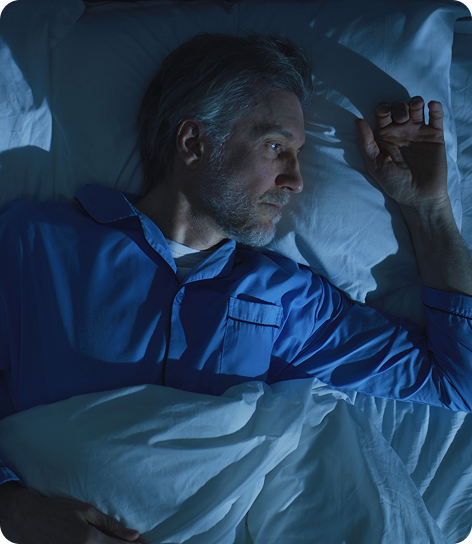
What Are Sleep Disorders?
Sleep disorders are neurological and physiological conditions that interfere with normal sleep patterns, duration, or quality. The human brain coordinates a complex sleep-wake cycle governed by circadian rhythms, neurotransmitter activity, and environmental cues. When this intricate system is disrupted, it can produce a wide range of symptoms that affect cognitive function, emotional health, cardiovascular health, and overall quality of life.
According to the International Classification of Sleep Disorders, Third Edition Revised (ICSD-3R), sleep disorders are broadly grouped into six major categories:
- Insomnia disorders
- Sleep-related breathing disorders (including obstructive and central sleep apnea)
- Central disorders of hypersomnolence (such as narcolepsy)
- Circadian rhythm sleep-wake disorders
- Parasomnias (such as sleepwalking or REM sleep behavior disorder)
- Sleep-related movement disorders (such as restless legs syndrome)
Some of the most frequently encountered sleep disorders include:
- Chronic Insomnia: A persistent difficulty falling asleep, staying asleep, or waking too early, occurring at least three nights per week for a minimum of three months. Insomnia is the most prevalent sleep disorder and can exist on its own or alongside other medical or psychiatric conditions.
- Obstructive Sleep Apnea (OSA): A sleep-related breathing disorder in which the airway repeatedly narrows or collapses during sleep, causing brief interruptions in breathing. OSA is commonly associated with snoring, gasping episodes, and significant daytime sleepiness.
- Central Sleep Apnea: Unlike OSA, central sleep apnea occurs when the brain fails to send proper signals to the muscles that control breathing during sleep, often linked to underlying neurological or cardiac conditions.
- Narcolepsy: A neurological disorder characterized by the inability to regulate sleep-wake transitions, resulting in excessive daytime sleepiness, sudden muscle weakness (cataplexy), and in some cases, vivid hallucinations at sleep onset or upon waking.
- Restless Legs Syndrome (RLS): An uncomfortable, sometimes painful urge to move the legs, particularly at rest or during the evening hours, which can significantly delay sleep onset and reduce sleep quality.
- Delayed Sleep Phase Syndrome: A circadian rhythm disorder in which a person’s internal clock is shifted significantly later than conventional sleep times, making it difficult to fall asleep at a socially acceptable hour and equally difficult to wake up in the morning.
- Shift Work Sleep Disorder: Affects individuals whose work schedules conflict with the body’s natural day-night cycle, leading to chronic sleep loss, insomnia during scheduled sleep periods, and excessive sleepiness while at work.
Adults generally require a minimum of seven hours of quality sleep per night to support proper neurological, metabolic, and immune function. Prolonged sleep deficiency has been associated with an elevated risk of conditions such as hypertension, type 2 diabetes, obesity, depression, and cognitive decline. At Chester Neurology, we take sleep health seriously because we understand the neurological implications of untreated sleep disorders.
About New York, NY
New York City is one of the most dynamic and culturally rich cities in the world, home to millions of residents across Manhattan, the Bronx, Queens, Brooklyn, and Staten Island. Known for its world-class healthcare institutions, New York is a hub for advanced neurological care and medical innovation. As the population ages, the need for specialized Alzheimer’s disease care continues to grow throughout the city.
With its diverse communities and fast-moving lifestyle, New York presents unique challenges for individuals living with memory disorders and cognitive decline. Access to specialized neurology care close to home is critical for early diagnosis and long-term disease management. Chester Neurology serves patients throughout New York, NY, by offering expert neurological evaluations in a supportive and accessible setting. The practice understands the importance of continuity of care and works closely with families to provide guidance, education, and long-term support in a city where healthcare needs are as complex as the population itself.
Directions from New York, NY
Who Is a Candidate for Sleep Disorder Treatment?
Sleep disorders are far more common than many people realize. They affect individuals of all ages, occupations, and backgrounds, from young professionals navigating demanding schedules in New York City to older adults managing multiple health conditions. Identifying whether you are experiencing a clinically significant sleep disorder begins with recognizing the symptoms and understanding the risk factors.
You may benefit from a sleep disorder evaluation at Chester Neurology if you experience one or more of the following:
- Difficulty falling asleep most nights, regardless of how tired you feel
- Waking up frequently throughout the night and struggling to return to sleep
- Waking earlier than intended and being unable to fall back asleep
- Loud or disruptive snoring, or reports from a bed partner of witnessed breathing pauses
- Waking up gasping or choking for air
- Excessive daytime sleepiness that interferes with work, driving, or daily responsibilities
- Difficulty concentrating, memory lapses, or mental fog during the day
- Irritability, mood changes, or increased anxiety that may be tied to poor sleep
- Uncomfortable sensations or urge to move the legs at rest, especially in the evenings
- Sudden episodes of muscle weakness triggered by emotion
- Performing complex behaviors during sleep, such as sleepwalking or acting out dreams
- Inability to maintain a consistent sleep schedule aligned with daily obligations
Sleep disorders can stem from a wide variety of underlying causes. At Chester Neurology, we conduct a thorough evaluation to understand the full picture before recommending a treatment path. Contributing factors may include:
- Underlying medical conditions such as cardiovascular disease, respiratory conditions, chronic pain, or neurological disorders
- Psychiatric conditions, including anxiety, depression, or post-traumatic stress disorder
- Medication side effects or interactions
- Hormonal changes associated with menopause, pregnancy, or thyroid dysfunction
- Irregular work schedules or night shift employment
- Lifestyle habits such as excessive caffeine intake, alcohol use near bedtime, or inconsistent sleep timing
- Environmental factors, including noise exposure, irregular light patterns, or a non-conducive sleep environment
Benefits of Sleep Disorder Treatment
Addressing a sleep disorder through evidence-based neurological care can produce meaningful, lasting improvements across virtually every dimension of health and daily functioning. Patients who receive appropriate sleep disorder treatment often experience:
- Restored Energy and Daytime Alertness: Effective treatment reduces excessive daytime sleepiness, allowing patients to remain focused and alert throughout the day without relying on stimulants or napping.
- Improved Cognitive Function: Adequate, restorative sleep supports memory consolidation, executive function, and mental clarity. Patients frequently report sharper concentration, improved problem-solving ability, and greater mental resilience following successful sleep disorder treatment.
- Better Emotional Health: Chronic sleep deprivation is closely linked to irritability, heightened anxiety, and depression. Normalizing sleep patterns can have a stabilizing effect on mood and contribute to greater emotional well-being.
- Reduced Cardiovascular Risk: Untreated sleep apnea, in particular, is associated with elevated blood pressure, increased risk of arrhythmia, and higher rates of cardiovascular events. Treating sleep apnea effectively can reduce these risks and support long-term heart health.
- Enhanced Metabolic Health: Poor sleep disrupts hormones that regulate appetite and blood sugar, contributing to weight gain and insulin resistance. Patients who achieve better sleep quality often find it easier to maintain a healthy weight and manage metabolic conditions.
- Neurological Protection: Emerging research has highlighted the role of sleep in the brain’s glymphatic clearance system, which removes metabolic waste products, including proteins associated with neurodegenerative diseases. Prioritizing sleep health may contribute to long-term neurological protection.
- Improved Safety: Excessive daytime sleepiness is a significant hazard behind the wheel and in the workplace. Treating the underlying sleep disorder reduces accident risk and helps patients meet the demands of their daily responsibilities safely.

Schedule a Consultation for Sleep Disorders in New York, NY
If disrupted sleep is affecting your health, focus, relationships, or quality of life, the experienced neurological team at Chester Neurology in New York, NY is ready to help. Dr. Roshni Karnani is board-certified by the American Board of Psychiatry and Neurology and brings specialized expertise in evaluating and managing complex neurological conditions, including the full spectrum of sleep disorders.
Our consultations are thorough, compassionate, and focused on identifying the underlying cause of your sleep difficulties, not just managing the symptoms. Whether you are newly experiencing sleep problems or have struggled for years without an effective solution, we will work with you to develop a treatment plan tailored to your specific needs and lifestyle.
Ready to take the first step toward better sleep? Call Chester Neurology at (914) 816-1941 or fill out our online contact form to request an appointment.
Ready to feel better?
At Chester Neurology, we create personalized care plans to address your symptoms and promote long-term spinal health. Whether your pain is mild, moderate, or acute pain, we help determine why neck pain occurs, how it can be effectively treated, and which therapies can help restore function and comfort.
Call us now at (914) 816-1941 or email info@chesterneurology.com to schedule an appointment.
Take the First Step
Contact Us Today
Early diagnosis and correct identification makes planning, treatment, and care accessible to everyone.