
Restless Leg Syndrome
Restless legs syndrome (RLS) is a condition that causes a strong urge to move legs consistently. People with RLS usually have an uncomfortable feeling in their legs that only goes away when they move them. The condition has more evident symptoms when one is at rest or in a sitting position. Restless legs syndrome (RLS) can begin at any age, but symptoms can worsen with age. It can also affect sleep. The condition is also otherwise called Willis-Ekbom disease.
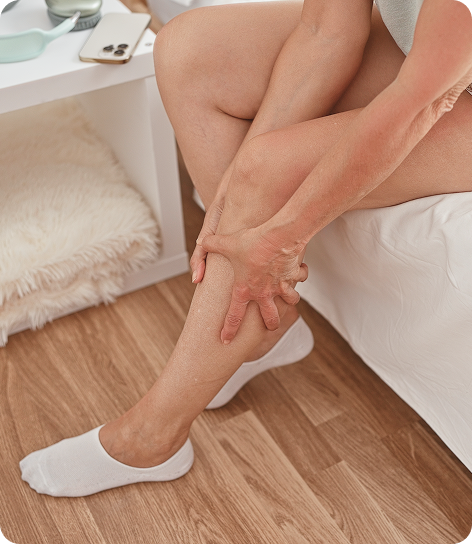
RLS can be classified into two categories: primary and secondary RLS. Primary RLS has no identifiable cause and often runs in families, while secondary RLS is caused by other medical issues, medications, or factors that trigger or worsen the symptoms. The first one is early-onset, and the diagnosis is often made before age 45. Early-onset RLS typically runs in families and progresses with time. Late-onset RLS is usually diagnosed after age 45, and symptoms tend to worsen sooner.
Restless Leg Syndrome Symptoms
The first and chief obvious symptom of restless legs syndrome is an irresistible urge to move the affected limb, most commonly the legs, but sometimes the arms. These unpleasant sensations occur primarily in the legs and are often described as crawling, creeping, itching, throbbing, or aching. The urge to move is typically strongest during periods of rest or inactivity. These sensations typically begin or intensify during quiet wakefulness, such as when relaxing or trying to sleep.
People with RLS often feel uncomfortable when sitting for a long time, especially in a theater or a car. Relief with leg movement is also a classic symptom of RLS. Symptoms usually get worse at night, and many people also experience nighttime leg twitching. The condition is often associated with another condition called “periodic limb movement of sleep”. That one causes involuntary leg movement and kicking during sleep.
Sometimes symptoms may decrease temporarily (remission), but they can also become worse with certain triggers, such as caffeine, stress, or lack of sleep. It is important to distinguish RLS from leg cramps and muscle cramps, as these conditions are commonly confused. Unlike RLS, a leg cramp or muscle cramp typically causes pain that worsens with movement, whereas RLS symptoms are relieved by movement. RLS is often misdiagnosed in children as growing pains or attention deficit hyperactivity disorder (ADHD).
Risk Factors and Causes
There is no single documented cause of restless legs syndrome, but experts recognize it as a neurological disease involving dopamine, a chemical that sends signals to control muscle movements. Other common causes include iron deficiency, dopamine imbalance, genetics, pregnancy, diabetes, nerve disorders, and certain medications.
- Hereditary
RLS may run in families, especially if diagnosed after the age of 40.
- Pregnancy
Hormonal changes may worsen symptoms. Women may experience RLS during their pregnancy, especially in the last few months, and pregnancy may worsen restless legs syndrome symptoms, possibly due to elevated estrogen levels.
Restless legs syndrome can be classified as primary RLS, which has no identifiable cause, or secondary RLS, which is caused by other medical conditions or medications that trigger or worsen symptoms.
Restless legs syndrome isn’t considered a concerning condition. Still, it may be related to some other conditions, such as peripheral neuropathy, iron deficiency, kidney failure, spinal cord conditions, and Parkinson’s disease.

Restless Legs Syndrome Diagnosis
Healthcare providers usually ask about symptoms and medical history to diagnose restless legs syndrome. If you have a strong and hard-to-manage urge to move your legs, you should see your doctor. A complete physical and neurological exam is necessary to understand the symptoms better. There is no single test to diagnose RLS, and doctors mostly rely on symptoms and family history. If you have been having a hard time sleeping, you may need to see a specialist who may recommend an overnight stay at a sleep clinic to check for leg movements during sleep. Diagnosis doesn’t usually require many tests.
Treatment
Your doctor will discuss the treatment based on the cause. For example, if you have RLS due to an iron deficiency, medications can relieve restless legs syndrome. In some cases, doctors may recommend electrical stimulation of a nerve to ease symptoms. You will need a prescription to get these devices.
There are medications to help with restless legs syndrome. Medicines like gabapentin and pregabalin may be considered as the first option for treating RLS. There are others like enacarbil, which are all medicines that affect calcium channels.
As RLS is associated with dopamine, healthcare providers may consider medicines for that, such as rotigotine, pramipexole, and ropinirole. However, dopamine drugs are used with care because of the side effects, which include worsening RLS symptoms. Patients with occasional restless leg syndrome may benefit from carbidopa-levodopa as needed. Opioids are also used in low doses.
Medicines prescribed for RLS aren’t usually given to pregnant women. There are better ways to manage symptoms, including lifestyle changes and iron supplements. Medications are always considered when someone has tried the suggested changes, such as good sleep habits and regular aerobic exercise. Using hot and cold compresses may also offer relief from symptoms.
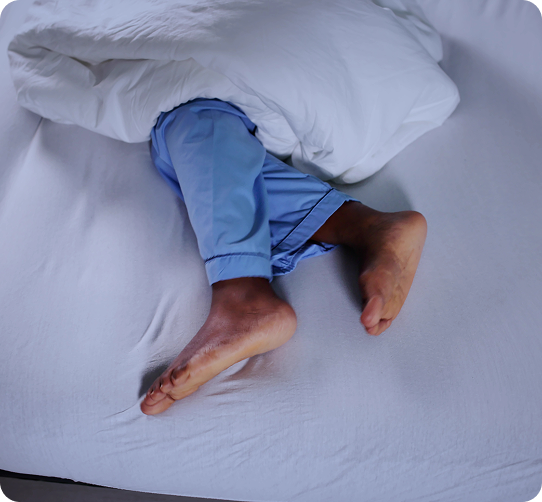
Impact on Daily Life and Sleep Quality
Restless legs syndrome (RLS) can have a profound effect on both daily activities and overall sleep quality. Many people with restless legs syndrome RLS find that uncomfortable sensations and the irresistible urge to move their legs make it difficult to fall asleep or stay asleep through the night. This sleep disruption often leads to daytime sleepiness, fatigue, and trouble concentrating, which can reduce productivity and affect mood.
For many, symptoms are worse in the evening or at night, making it challenging to relax, watch TV, or enjoy quiet activities. Difficulty falling asleep and frequent nighttime awakenings are common, and these sleep problems can increase the risk of developing other sleep disorders, such as sleep apnea, periodic limb movement disorder, and sleep bruxism.
If you experience persistent or worsening symptoms, it’s important to seek help from a healthcare provider or a clinical sleep medicine specialist. With the right diagnosis and a tailored treatment plan, it’s possible to reduce symptoms, improve sleep quality, and enhance your overall quality of life.
When to Reach Out
If you have restless leg syndrome, talk to your friends and coworkers so they understand the reason for your leg movements. Do not resist the urge to move your legs, as your symptoms may worsen.
For further help in Westchester or NYC, visit us at Chester Neurology. With advanced testing facilities and expert care, we can provide relief and a detailed treatment plan for your RLS symptoms. We will also rule out other conditions that may be contributing to or causing restless legs.
Call us today at (914) 816-1941 or email info@chesterneurology.com to schedule an appointment.
We serve families in Westchester, the Bronx, Manhattan, and more, all with compassion, clarity, and commitment.
Take the First Step
Contact Us Today
Early diagnosis and correct identification makes planning, treatment, and care accessible to everyone.