Myopathy
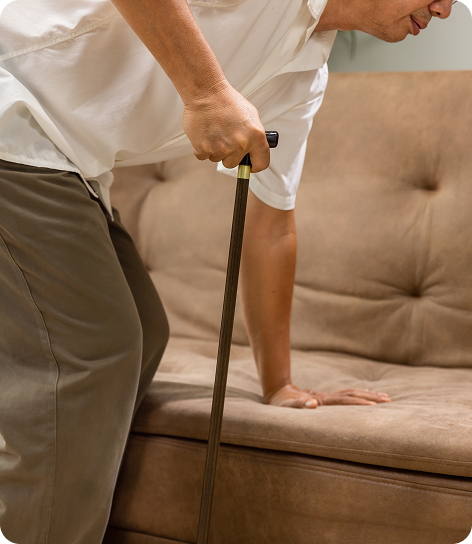
Myopathy is a muscle disease that primarily affects the skeletal muscles, also known as voluntary, contractile muscles. It differs from nerve diseases in that it results from muscle abnormalities rather than from abnormalities in the spinal cord or brain. It results in muscle weakness and can include fatigue, weariness, and an inability to move around or perform activities like climbing stairs or weightlifting.
Myopathy is acquired or inherited, mild or disabling, and progressive. It is treatable or controllable to some degree, but it progressively deteriorates with age.
Symptoms of myopathy typically include muscle weakness, which is often proximal and symmetric, leading to functional difficulties with tasks such as climbing stairs or reaching overhead. Generalized weakness is a key clinical feature, and muscle symptoms can include a range of manifestations such as fatigue, exercise intolerance, and muscle pain, even in the absence of overt myopathy or elevated CK levels.
A comprehensive history and physical examination are mandatory to identify and diagnose myopathies, and differential diagnosis is important to distinguish myopathies from other neuromuscular and systemic diseases.
Symptoms and Muscle Weakness
Myopathy symptoms commonly include proximal muscle weakness, especially in the upper arms, hips, and thighs. This weakness is typically bilateral, with a gradual onset and similar severity on each side. Myopathy symptoms can also make everyday tasks, such as getting dressed and personal hygiene, more challenging. Cramping, stiffness, pain, or unsteadiness, along with loss of coordination, may ensue.
Progressive weakness can develop over time, particularly in certain genetic myopathies. Other symptoms may include stiffness, cramps, spasms, and systemic features such as skin rashes, dark-colored urine, or listless facial expressions.
Myopathies in difficult situations make it hard to stand up from a chair, walk miles, or raise weights over one’s head. It also involves the muscles of respiration, such as shortness of breath, and the facial muscles, such as ptosis of the eyelids or dysphagia.
Classification of Myopathy
There are several types of myopathies, including inherited, acquired, congenital, metabolic, inflammatory, and infectious myopathies. Understanding the types of myopathies is important for accurate diagnosis and management. Inherited myopathies are conditions present at birth, caused by mutated genes inherited from parents, while acquired myopathies develop later in life and are not inherited. Acquired myopathies include inflammatory myopathies like polymyositis and dermatomyositis, toxic myopathies, endocrine myopathies, and infectious myopathies.
Inherited Myopathies
Common inherited myopathies include dystrophinopathies and mitochondrial myopathies, which are prevalent in various populations. The most common inherited myopathies are Duchenne’s and Becker’s muscular dystrophy, as well as mitochondrial myopathies.

Mitochondrial Myopathy
Mitochondrial myopathy is caused by defects in mitochondrial DNA, leading to muscle weakness and multisystem involvement, including the heart and brain; Kearns-Sayre syndrome is a specific example of a mitochondrial myopathy with distinct genetic and clinical features.
Muscular Dystrophies
Muscular dystrophies are characterized by progressive degeneration of muscle tissue due to insufficient structural support proteins.
Infectious Myopathies
Infectious myopathies result from bacterial, viral, parasitic, or fungal infections that directly affect muscle function.
Medication-Induced Myopathy
Medication-induced myopathy will happen when some medications, such as statins or steroids, are used.
Endocrine Myopathy
Endocrine myopathy is caused by thyroid or adrenal insufficiency. Establishing the individual cause is crucial for successful treatment and disease prognosis.
Causes and Risk Factors
Myopathy pathogenesis is predominantly based on its classification. A few of the most common causes are:
- Genetics
Most congenital and metabolic myopathies result from mutations in genes that control muscle function. A family history of muscle disease may predispose a person.
- Autoimmune Diseases
Inflammatory myopathies occur when the body’s immune system mistakenly targets muscle tissue. These are considered autoimmune disorders, with conditions like myasthenia gravis serving as examples. Autoimmune myopathy is an immune-mediated condition where the immune response attacks muscle fibers; treatment may include immunosuppressant drugs to moderate the immune response and steroids to reduce inflammation.
- Endocrine Disorders
Endocrine disorders like hypothyroidism, Cushing’s syndrome, or diabetes gradually impair muscle function.
- Drugs
Certain medications, such as cholesterol-controlling statins, antimalarials, or corticosteroids, may injure the muscles of specific patients.
- Connective Tissue Diseases
Systemic diseases such as connective tissue diseases can cause secondary myopathies due to inflammation and autoimmunity. Rheumatoid arthritis is a notable example that may present with muscle involvement or mimic primary muscle diseases.
- Infections or Toxins
Viral infections, such as HIV and Coxsackie A and B viruses, or toxins can directly lyse the muscle fibers.
Acquired myopathies often improve by treating the main causing disease, whether it is a systemic disease like thyroid disease or an infection. It is important to treat underlying conditions to achieve effective management and improve patient outcomes.

Diagnosis and Medical Assessment
Diagnosis of myopathy is a stepwise process, and the initial consultation typically begins with a physical examination and symptom assessment. Physical examination includes assessing muscle strength, reflexes, and overall mobility to identify areas of weakness.
The doctor will probably request the patient to get their blood drawn for screening of muscle enzymes, for instance, creatine kinase, as proof of muscular trauma. Blood tests for myopathies also check genetic markers and assess inflammation. Laboratory studies, including electrolytes and liver enzymes, are useful in the evaluation of myopathy. Creatine kinase (CK) levels are often elevated in myopathy and are a useful blood test.
Electromyograms are performed to quantify a muscle’s electrical activity and to determine whether a disease is affecting the muscle or its nerve innervation. EMG is the most sensitive examination for myopathy. Positive sharp waves are a characteristic spontaneous activity seen in needle EMG, indicative of muscle membrane irritability, and are especially noted in necrotizing, inflammatory, or toxic myopathies.
Muscle biopsies, which involve taking small samples and examining them under a microscope, may reveal structural changes or inflammation. Muscle biopsy is the diagnostic gold standard for myopathy. Magnetic resonance imaging (MRI) can help guide the site selection for muscle biopsy in myopathy diagnosis. Diagnostic tests for myopathy may also include CT or MRI scans.
In rare cases, genetic testing is necessary to diagnose genetic myopathies. Accurate diagnosis determines individualized treatment regimes and long-term care regimens. The diagnosis and treatment of myopathies often require a multidisciplinary approach involving specialists in neurology and neuromuscular medicine. The process of differential diagnosis is essential to distinguish myopathies from other neuromuscular and systemic conditions, utilizing clinical features, laboratory tests, electrodiagnostic studies, imaging, and muscle biopsy to identify the most accurate diagnosis.
Management, Treatment, and Physical Therapy
Myopathy treatment is tailored to the underlying cause, with the primary goal to improve muscle function. Inflammatory myopathies are treated with corticosteroids or other anti-inflammatory agents, and regular exercise plans alongside medical therapy are recommended for patients with inflammatory muscle diseases.
Physical and occupational therapies play a crucial role in improving muscle strength, flexibility, mobility, and daily living skills, and are essential components of a comprehensive treatment plan.
In the case of autoimmune myopathy, treatment may include immunosuppressant drugs to moderate the immune response and steroids to reduce inflammation. Inherited muscular dystrophies may be treated with prednisone to improve muscle strength and slow disease progression. For rhabdomyolysis, the ultimate goal of treatment is to prevent acute kidney injury caused by myoglobin released from damaged muscle.
Endocrine causes are treated by adjusting the hormone level, and drug-induced myopathy is managed by withdrawing the offending agent.
Supportive therapy, such as physical and occupational therapies, and assistive devices like braces or walkers, are often needed. Working with your healthcare team can help tailor a myopathy treatment plan that addresses your specific needs and improves overall quality of life. Treating underlying conditions is essential for effective management and improving patient outcomes.
In myopathies, both congenital and progressive, with unpredictable therapy, the final objectives are prevention of symptoms and preservation of mobility. In addition, nutrition counseling, speech therapy, and breathing therapy may be indicated. Early treatment hastens the outcome and postpones complications.

Living with Myopathy
Adaptation to a myopathy diagnosis is physical and psychological. At the same time, the acute episode is one of confusion; a vast majority of patients do well with information, reassurance, and time.
Energy conservation is most crucial, and work pacing, routine rest periods, and energy conservation can facilitate daily functioning. Adaptive equipment, home adaptation, and community support groups also promote independence.
One has to be honest with health care professionals and undergo mental health treatment when feelings of depression or anxiety arise. The majority of individuals with myopathy can remain productive if issues caused by muscle disease are well managed.
Complications to Watch Out For
Myopathies, if not treated, result in many complications with far-reaching effects on independence and quality of life. Complications can include kidney failure as a potentially life-threatening outcome.
Congenital myopathies may lead to serious complications such as cardiomyopathies, recurrent infections, sepsis, neuropathies, respiratory failure, or renal failure. Acquired myopathies may have complications that are relatively limited to the underlying etiology, such as infections or drug-related issues.
Respiratory Complications
The respiratory muscles, such as the diaphragm, are more involved, leading to breathlessness or difficulty breathing. Ventilation through a face mask or tracheostomy is required.
Difficulty in Swallowing
Due to weakened throat muscles, the individual may feel a choking sensation or be at risk of aspiration pneumonia. Tube feeding would be required.
Loss of Mobility
Weakness can lead to a dependence on mobility aids or a complete loss of walking ability, thereby increasing the patient’s risk of falls.
Cardiac Involvement
Certain myopathies, such as certain genetic myopathies, involve the cardiac muscle and lead to arrhythmia or cardiac failure.
Regular monitoring identifies such conditions early and triggers appropriate changes in treatment.
When to Seek Medical Advice
If you notice the development of spontaneous weakness of the muscles—especially if it is progressive or symmetrical—do not neglect it. Clumsiness when rising from a seated position, lifting, or repeated tripping and falling should prompt you to see your doctor.
Pain inside the muscles without any trauma, fatigue at all times, or alteration in breathing or swallowing also requires attention. Early referral may result in an excellent outcome and, in most instances, spare you from future complications.
Prevention and Prognosis
Genetic myopathies are not preventable, but risk factors can be managed to reduce the risk of acquired forms. Competent medical examinations, discretion in the use of known muscle-destroying drugs (where avoidable), and control of such conditions as diabetes or thyroid disease may reduce risk. Family planning will be supported by genetic counselling in familial cases.
Prognosis is highly unpredictable based on the seriousness and kind of disease. Some patients are stable for years, with some showing symptoms, while in others, it is serious early on. New medications and trials are ongoing due to ongoing research, with the promise of better therapies in the future.
Take the First Step Toward Answers
If you’re noticing changes in If you or a member of your household is suffering from unexplained muscle weakness, don’t wait. Myopathy has numerous causes, the majority of which can be treated successfully if discovered in their early stages. A thorough neurological or neuromuscular evaluation is the first step toward understanding and relief.
We at Chester Neurology understand the importance of listening to you and reviewing your customized care plan. From diagnostic testing to therapy recommendations to simply reminding you of your condition, we are here to walk you through it.
Call us today at (914) 816-1941 or email info@chesterneurology.com to schedule an appointment.
We serve families in Westchester, the Bronx, Manhattan, and more, all with compassion, clarity, and commitment.
Take the First Step
Contact Us Today
Early diagnosis and correct identification makes planning, treatment, and care accessible to everyone.