Stroke
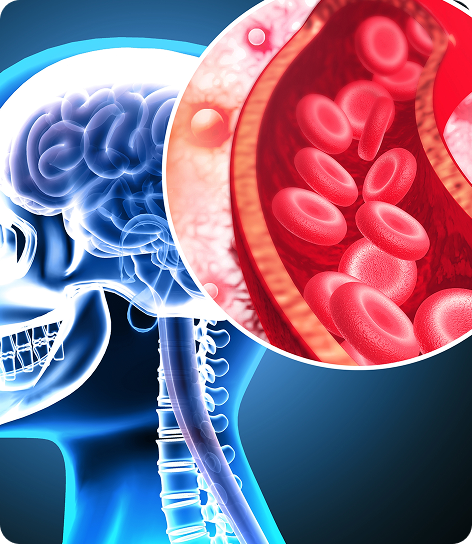
Strokes can be classified into two categories: Ischemic and hemorrhagic. An ischemic stroke happens when the blood supply to the brain is either blocked or reduced. As a result, brain tissues don’t get enough oxygen and nutrients, causing cells to die. A hemorrhagic stroke occurs when a blood vessel bursts or leaks, causing bleeding that increases pressure on the brain tissue. A stroke is always an emergency and needs immediate medical attention. Stroke is a leading cause of death and disability worldwide.
Stroke Symptoms
If your loved one is having a stroke, do not delay calling for help, as treatments are more effective when started early. Stroke symptoms include:
- Sudden speech difficulty or trouble understanding, including slurred words or unusual speech
- Arm weakness or numbness, often on one side of the body
- Paralysis or numbness of the face, arm, or leg, usually on one side
- Problems seeing in one or both eyes
- Sudden or severe headache, which can be especially common in hemorrhagic stroke
- Trouble walking, dizziness, or problems with balance or coordination
Stroke symptoms often appear suddenly and can include weakness or numbness of the face, arm, or leg, usually on one side of the body. A sudden and severe headache can sometimes occur, especially with a hemorrhagic stroke.
If someone is having a stroke and is asked to raise both arms above but fails to do so, it is an emergency. Arm drift downward—where one arm involuntarily drifts downward when both are raised—is a key sign of stroke. Patients may also have blurred vision, which can affect one or both eyes, and may not smile, often due to drooping of the face. Even simple lines can be hard to talk, causing slurring or speech difficulty.
It is important to note when stroke symptoms began, as this information affects treatment options and the effectiveness of certain therapies.
The acronym FAST can help you remember the warning signs of stroke:
- F – Face drooping
- A – Am weakness
- S – Speech difficulty
- T – Time to call emergency services
If someone shows any signs of a stroke, it is crucial to call 911 immediately, as time is critical in treatment. During a stroke, every minute counts.
Causes
An ischemic stroke is the most common type of brain stroke, which happens when blood vessels either narrow or get blocked, often due to fatty deposits inside the vessels. Ischemic strokes can also occur due to blood clots or debris that travel from the heart or other parts of the body to the brain. Recent studies have shown that COVID-19 infection may increase the risk of ischemic strokes.
Hemorrhagic stroke occurs when a blood vessel ruptures or leaks. This leads to blood leakage, often called a brain hemorrhage. Many things can cause hemorrhage strokes, including:
- Uncontrolled high blood pressure
- Excessive use of blood thinners
- Head trauma from an accident
- Protein deposits in blood vessels
Transient ischemic attacks, on the other hand, refer to a set of symptoms that are similar to a stroke but don’t cause permanent damage. Transient ischemic attacks happen due to a temporary reduction in blood supply to the brain and are also called mini-strokes. Even TIAs require immediate attention, as the chances are high that an artery is either blocked or narrowed, which may later cause a stroke.
Stroke risk factors include:
- Obesity
- Lack of physical activity
- Heavy drinking
- Use of certain illegal substances, such as cocaine
- High blood pressure
- Smoking
- High cholesterol
- Diabetes
- Obstructive sleep apnea.
- Cardiovascular disease
People over the age of 55 are at a high risk of strokes. Certain races/ethnicities are also more at risk, including Hispanic people. Men are also more at risk of strokes than women. Use of birth control pills or hormone therapies has been linked to an increased risk of strokes.

Diagnosis and Medical Assessment
Healthcare providers usually perform a comprehensive physical exam to assess neurological status and overall health when evaluating a patient for stroke. The NIH stroke scale is a standardized tool used during the physical exam to determine the severity and location of the stroke. Strokes are diagnosed through a combination of physical exam, neurological assessment, and imaging tests.
Your Diagnostic Options
The following tests are often required in addition to blood tests:
Electroencephalogram (EEG)
Computerized Tomography (CT Scan)
Electrocardiogram (EKG)
Magnetic Resonance Imaging (MRI)
Carotid Ultrasound
Cerebral Angiogram
Imaging studies such as CT scan, MRI, and cerebral angiogram help visualize brain arteries to identify blockages or abnormalities. The patient’s overall health is considered when planning stroke treatment, as it can influence the choice and effectiveness of interventions. Physical medicine also plays a key role in the diagnosis and management of stroke, supporting recovery and rehabilitation.
Remember, delaying treatment or ignoring the signs of a stroke could increase the risk of damage significantly. Get checked if you believe someone is experiencing a stroke or has evident symptoms.
Treatment
Treatments differ for ischemic and hemorrhagic stroke, as the latter means bleeding inside the brain. The goal of ischemic stroke treatment is to restore blood flow to the brain, for which healthcare providers may consider the following:
- Emergency IV medicine
- IV injection of recombinant tissue plasminogen activator (TPA)
- Emergency endovascular procedures
- TPA is delivered directly to the brain
- Clot removal with a stent retriever
- Carotid endarterectomy
- Angioplasty and stents
Hemorrhagic stroke treatment, on the other hand, is focused on controlling the bleeding and reducing pressure caused by the bleeding. Doctors may prescribe medicines to counter the effects of blood-thinning medications (if the patient was taking them). Medications can also help lower pressure inside the brain and control blood pressure. Hemorrhagic strokes may require surgery to remove blood to reduce pressure. Other treatments include:
- Surgical clipping
- Endovascular embolization
- AVM
- Stereotactic radiosurgery
Note that after stroke treatments, patients are closely monitored for a day or two. The focus is to help recover function. The outcome depends on the impact of the stroke and the part of the brain that has been affected. Some patients may need months to recover from a stroke. Therapy is often a part of the recovery journey, as many patients deal with depression and anxiety.

Living with the Effects of Stroke
Living with the effects of a stroke can be life-changing, as the damage to brain cells may lead to lasting disabilities. Stroke patients often experience weakness or paralysis in one arm or leg, difficulty with speech or understanding language, vision problems, and challenges with memory or thinking.
Managing risk factors like high blood pressure, diabetes, and cardiovascular disease is crucial to lowering the risk of another stroke. Adopting a healthy lifestyle—such as maintaining a healthy weight, eating a balanced diet, staying physically active, and avoiding smoking—can significantly reduce stroke risk.
Ongoing medical care, regular blood pressure checks, and rehabilitation therapies help stroke survivors regain lost skills and adapt to any lasting changes. With the right support and attention to risk factors, many people are able to improve their quality of life after a stroke.
When to Reach Out
If your loved one in Westchester or NYC has suffered a stroke or is recovering after treatment and needs more extensive care, feel free to connect with us at Chester Neurology. We have the best testing facilities and advanced treatment options, and our team of experts ensures complete personal care and recovery.
Call us today at (914) 816-1941 or email info@chesterneurology.com to schedule an appointment.
We serve families in Westchester, the Bronx, Manhattan, and more, all with compassion, clarity, and commitment.
Take the First Step
Contact Us Today
Early diagnosis and correct identification makes planning, treatment, and care accessible to everyone.